
Taken in the early hours (4:44am) of Monday morning March 2024.
Taken in the early hours (4:44am) of Monday morning March 2024.


Back in Jan 2023 I somehow got it into my head that I should investigate or at least have a look at what all the fuss was about in relation to AI and Generative Image making. I didn’t understand it in the slightest and was less than impressed with the idea of instructing some new fangled software to make me an image of ‘X’. What was the point, I can draw, paint, print, photograph and work across a range of CGI software and digital compositing software. Why should i bother with AI? Somehow the wheel turned and I found myself thinking that I could tackle the beast head on and do something different with it. Being then rebel that I am it came to me that i should fashion prompts along the lines of creating problems for the AI software to solve. Otherwise it’s just same ol’ same ol’.
So down one rabbit hole after another to try and get to the bottom of how to go about setting my mischief into place. At the time the hot topic was intellectual property theft, mainly from photographers and digital artists. I knew enough to know that this was a bit of a dark horse and a furphy to boot, but it gave me the leg up that I needed. What kind of images / image data won’t have been picked by the web crawlers trawling online storage and social media platforms; in brief, what sort of images don’t exist. That got my imagination working and the first prompts were quickly being tested. The thing is, I want to be surprised, I don’t want the result to be expected or predictable and this is where I also found a working companion in GANN’s (Generative Adversarial Neural Networks). Despite the often (but not always) superior generative quality of software like Stable Diffusion, Dall-e and Mid Journey I found the results to be too predictable and often a bit lame when a particular ‘style’ was applied.
My journey begins with Wombo AI out of Canada. Here are a random selection of some of the earliest images from back in Jan 2023.
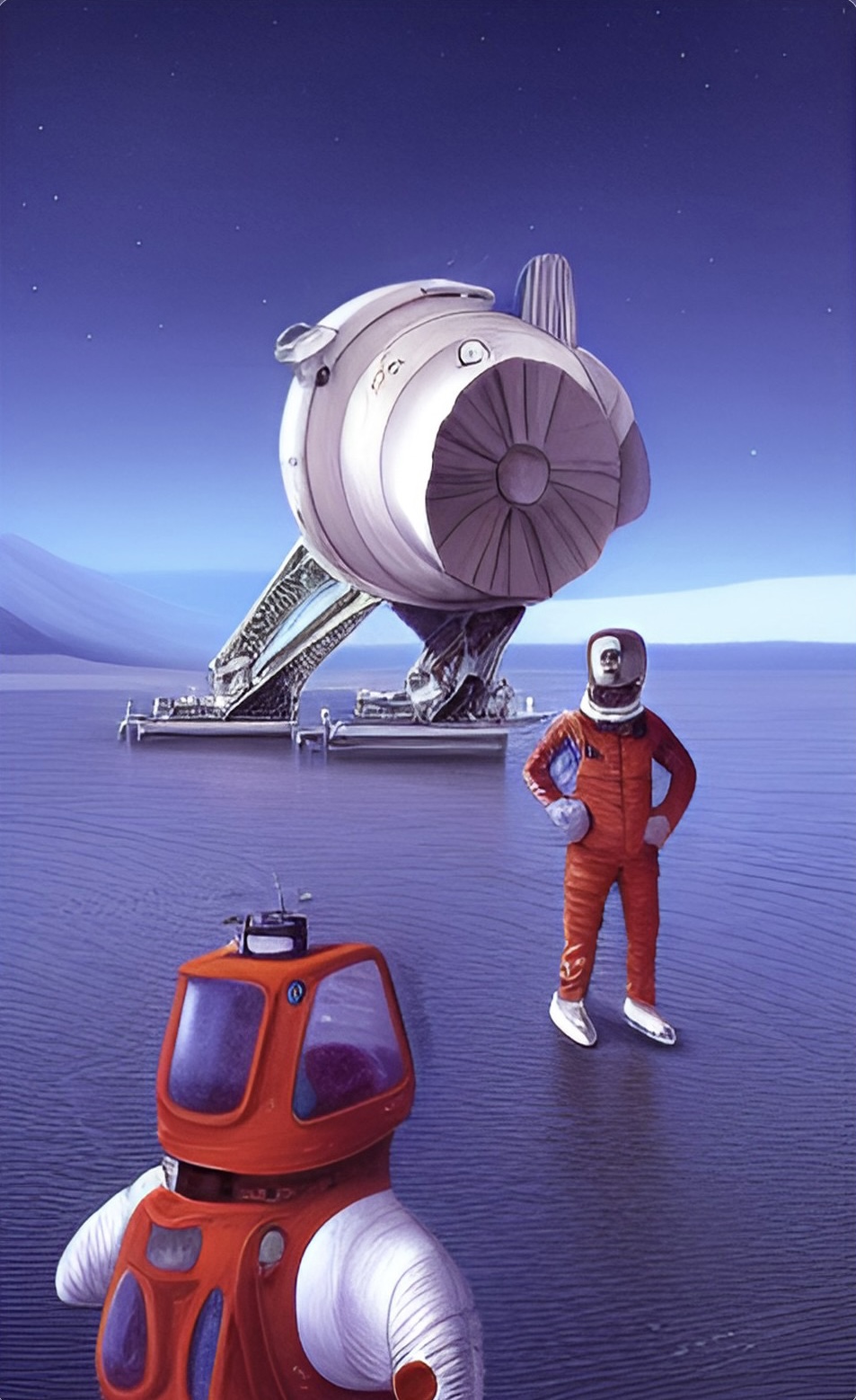
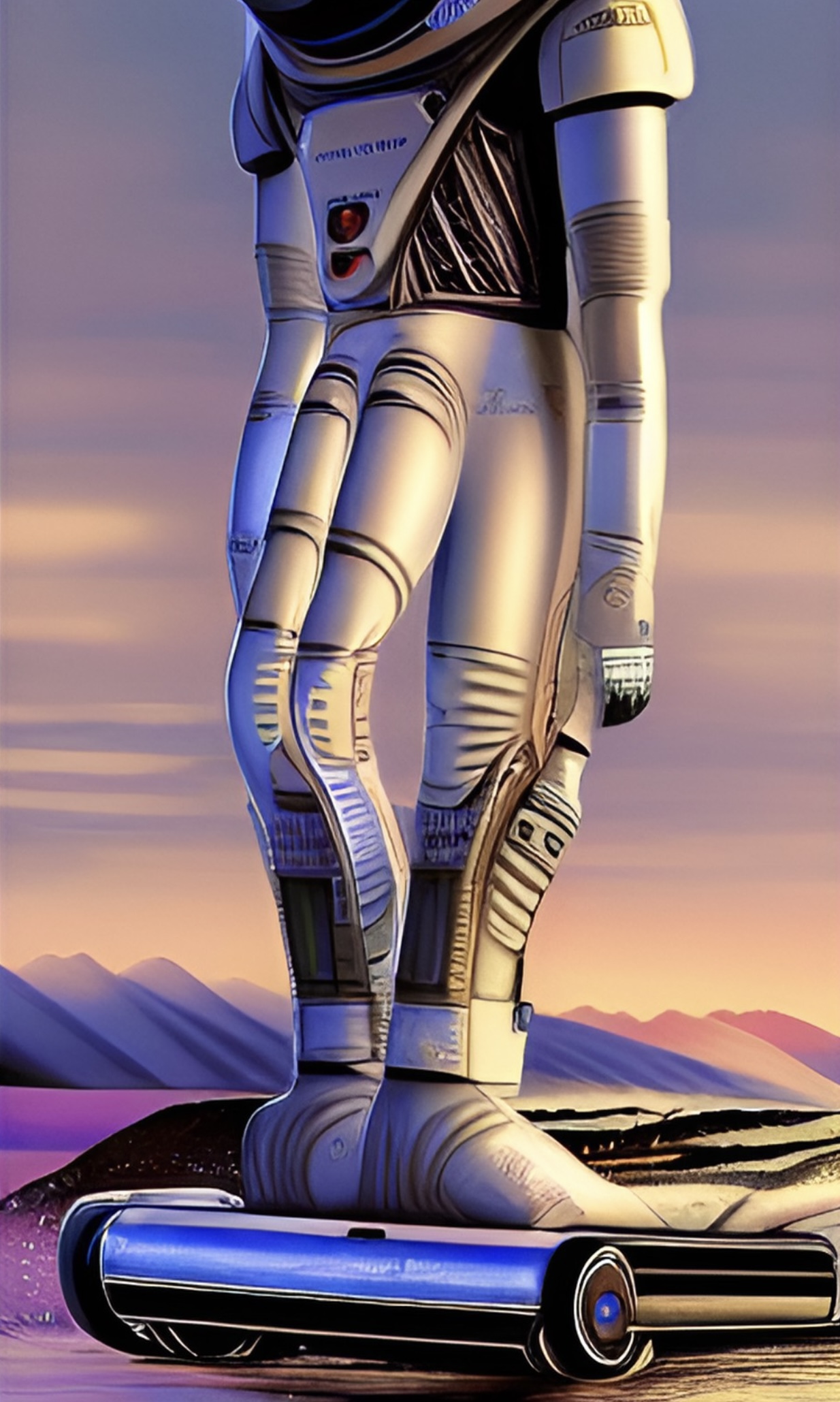
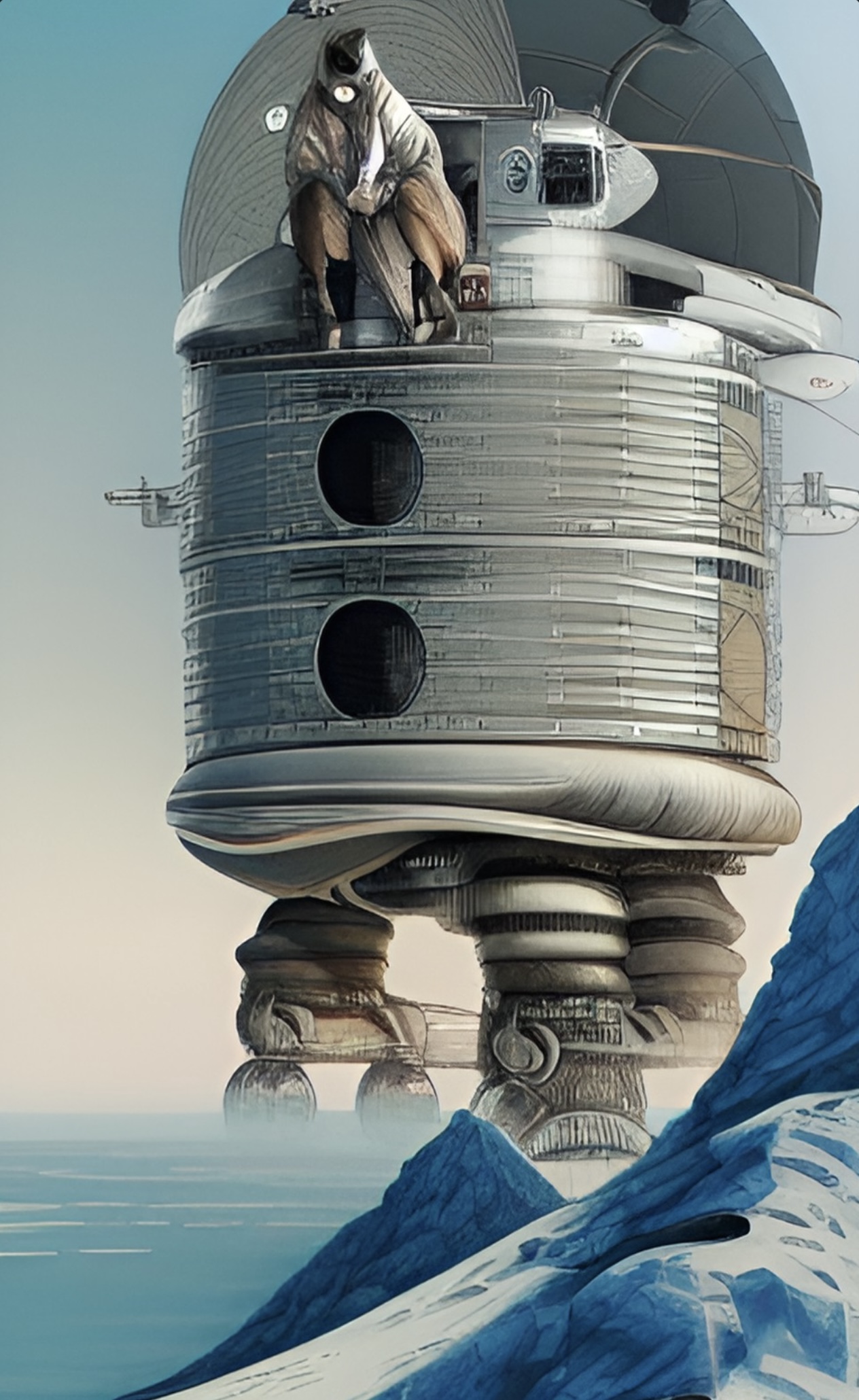

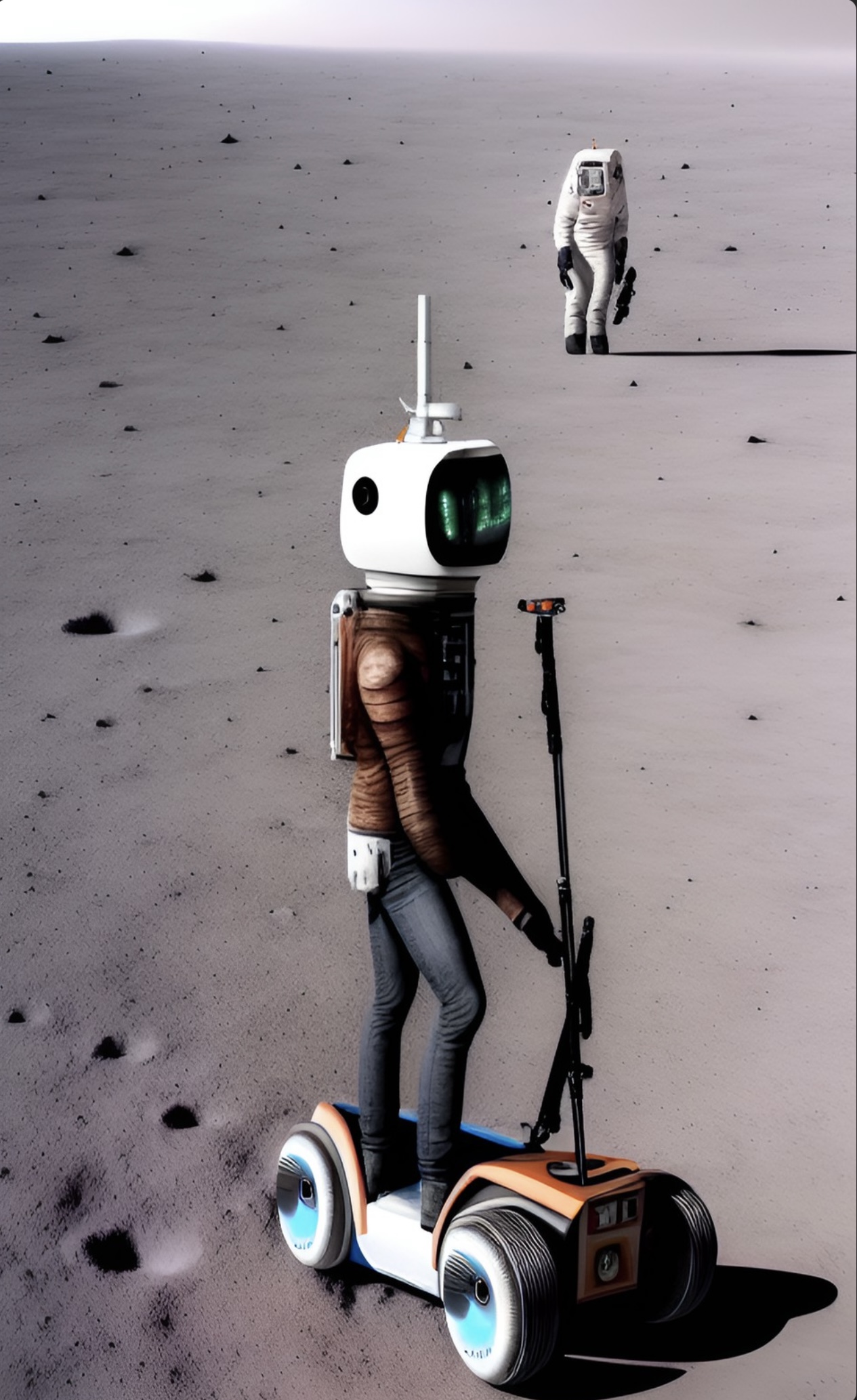
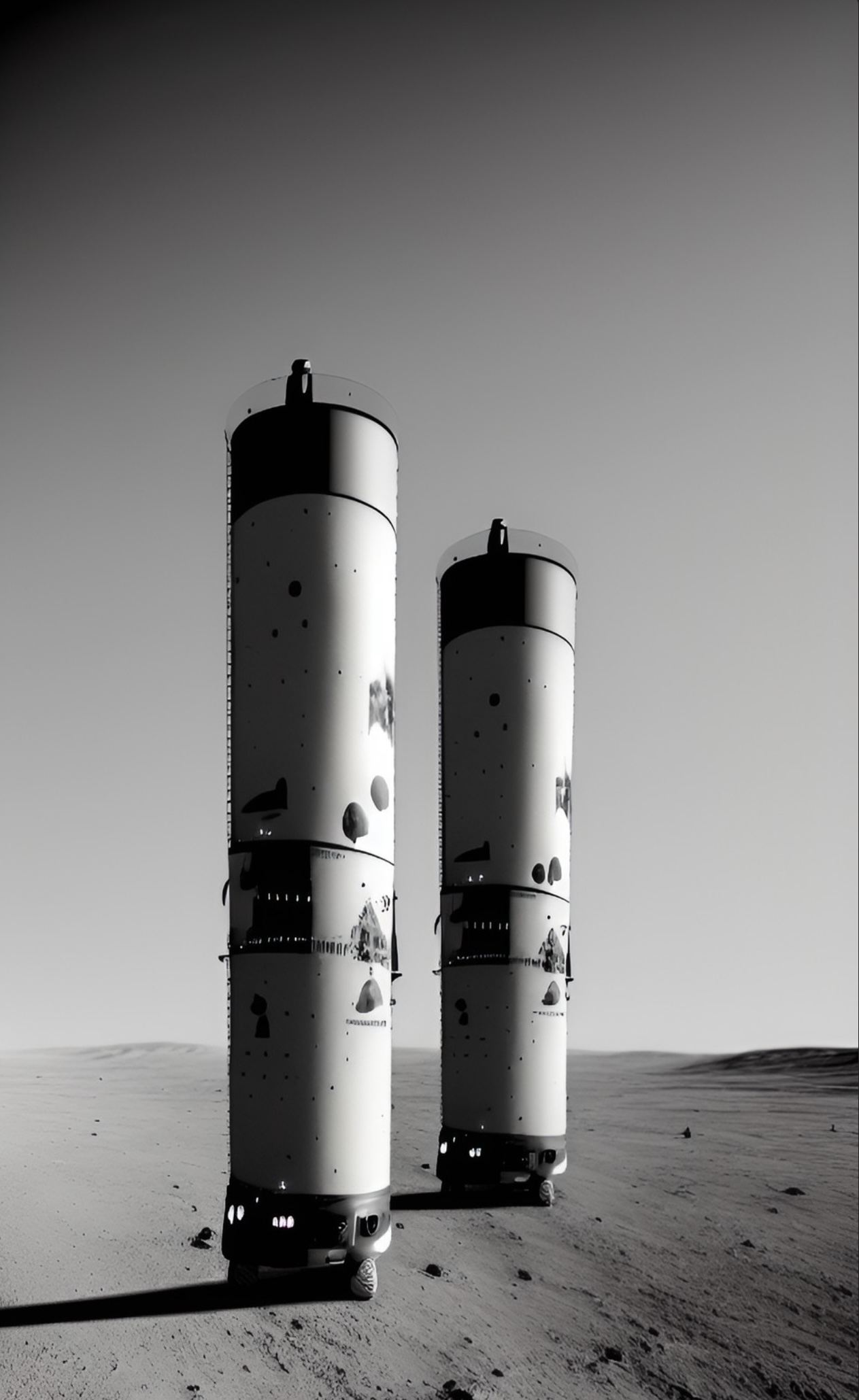

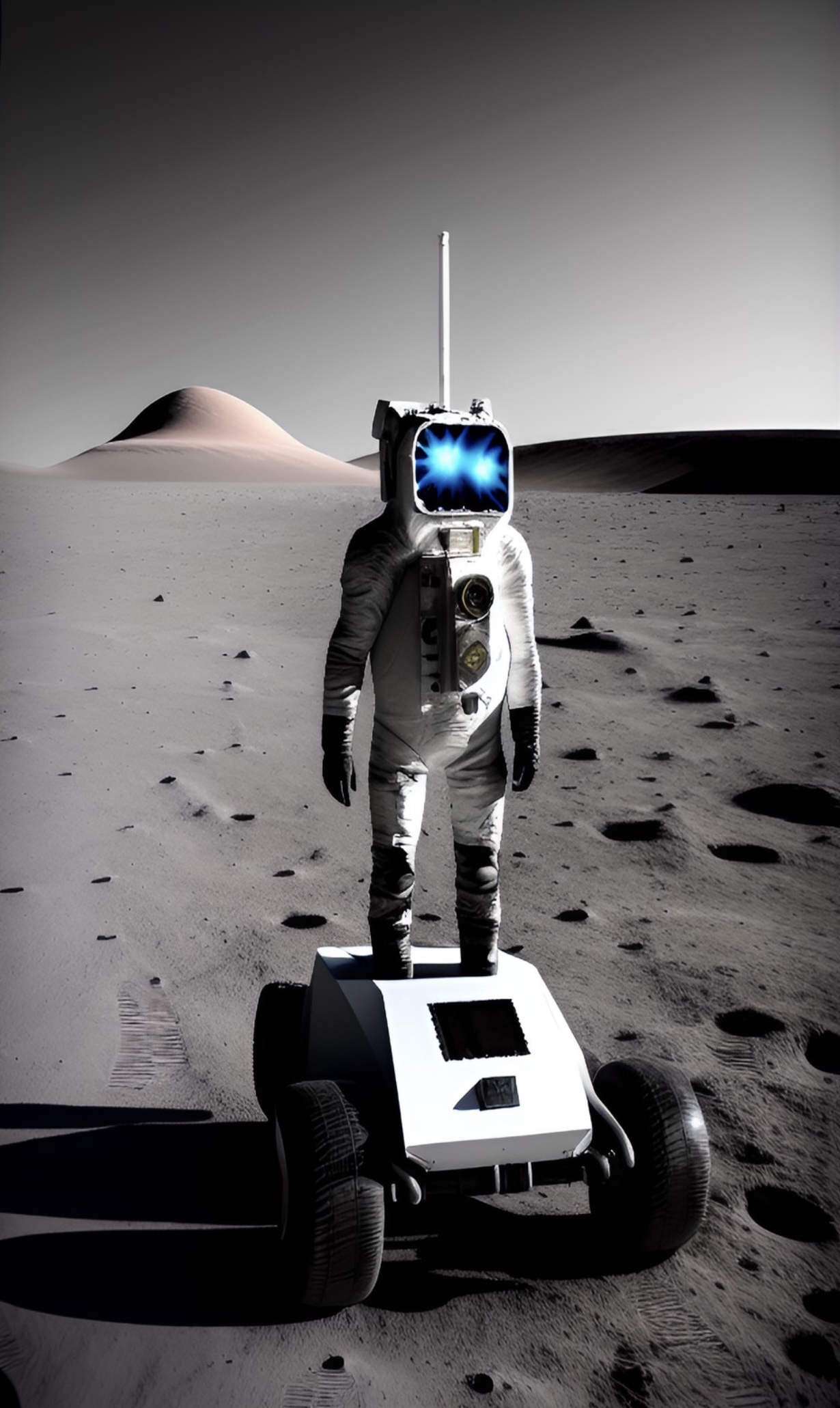
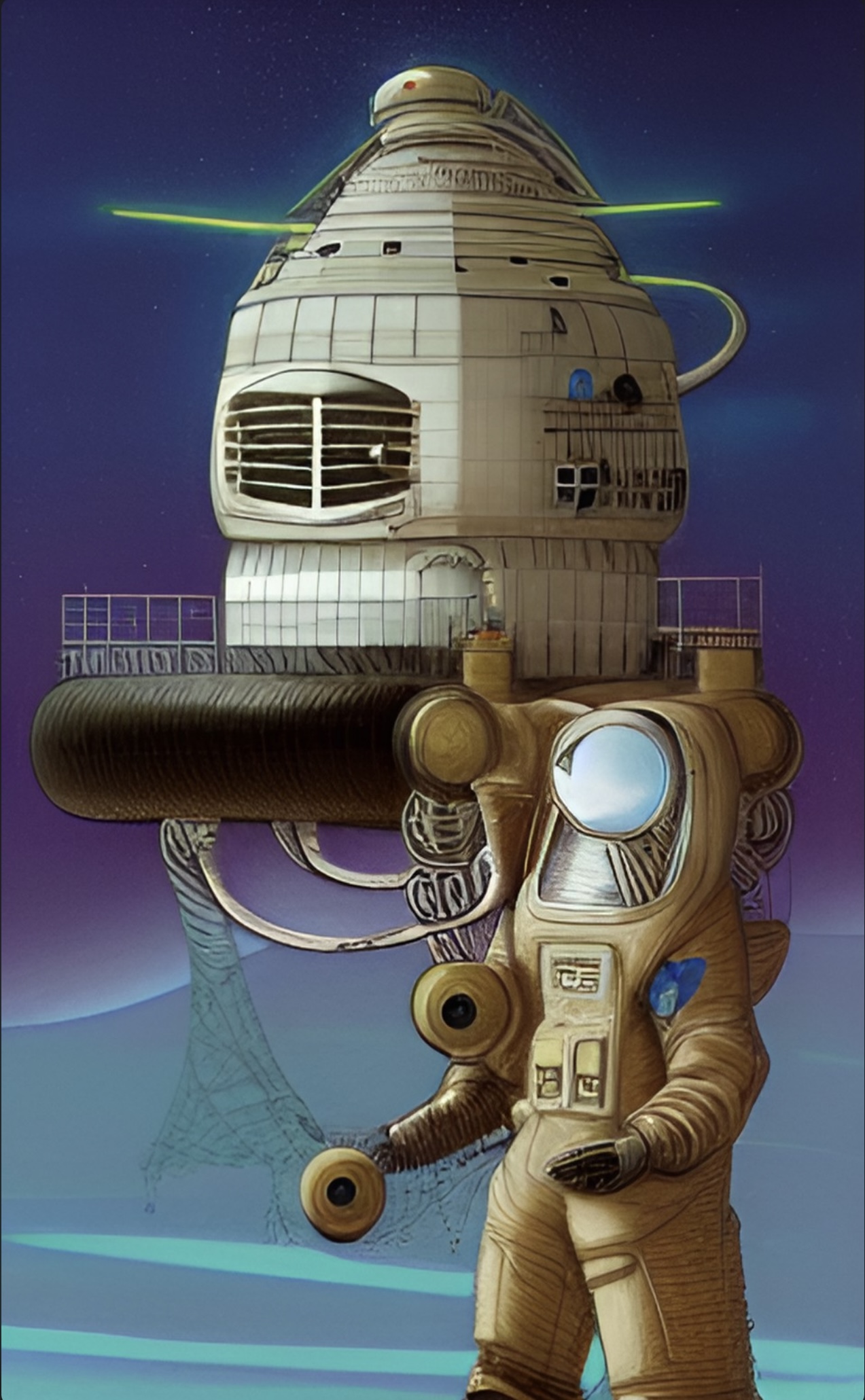
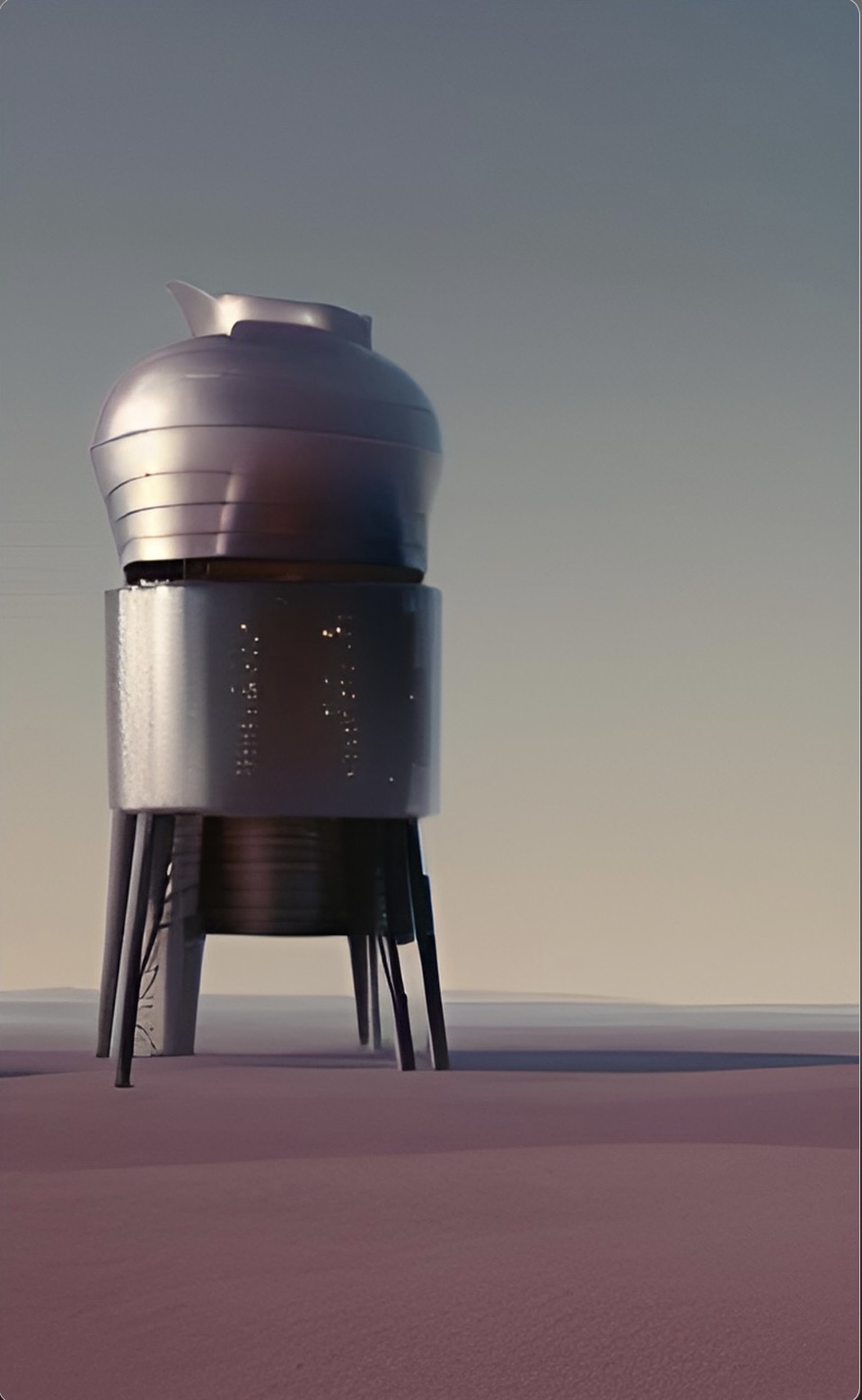
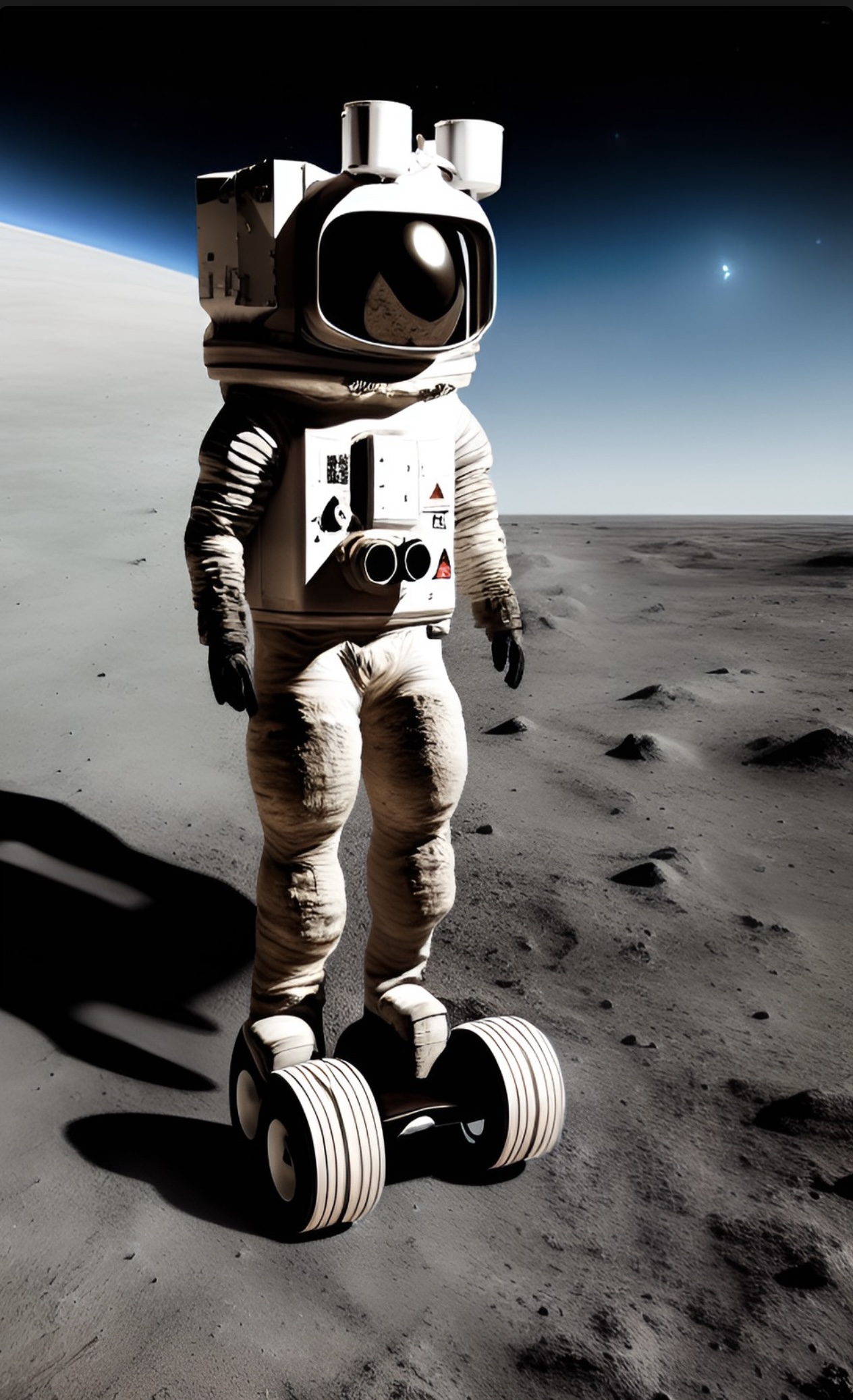


I’ve been working with AI generated imagery for some time now. With nearly 80,000 images behind me I can safely say that I feel that I have a reasonably good idea how things work and a realistic picture of the nature of the ‘wolf at the door’
It all came to a head for me some time back when an Adobe executive announced; (seriously), that AI was the new digital camera. My thoughts in response to this were not charitable to say the least.
Previous to this was my exposure to Stephen Fry reading a letter from Nick Cave about Chat GPT. No pun intended but it struck a chord with the view that was already developing in my picture of the world of the ‘Artificially Intelligent’
Outside of the many issues that come up around the use of AI, one stands alone amongst all others and it’s simply that the use of AI algorithms across a range of problem solving and creative endeavours stupefies / arrests the development and refinement of related skill sets and the creative process as a whole. ‘Use it or lose it’ was a phrase that rang in my ears throughout my childhood and teen years. I could argue this out until the cows come home and in the end it would be a long, rambling, albeit coherent post that i would be subjecting the audience to, but know dear reader, that this is not the result of the breaking down of text into tokens and feeding it to the billions of dogs in the LLM compound and awaiting the result of the feeding frenzy.
“AI Photography” is a misnomer to say the least. Reducing, in this instance, the ‘photographic eye’ to the role of ‘content producer’, subsequently devolves the process across literature, music, art, design and photography to mere content production and sadly, spearheading this narrative are organisations like Spotify and Adobe Corporation.
No camera, no photography. It’s simple. Despite the existence of hyper-real image creation algorithms, faux photographic images just don’t cut it, simply because they are not representations of the vista before the photographer or the result of discriminated intent. However as objects of curiosity, it’s another debate.
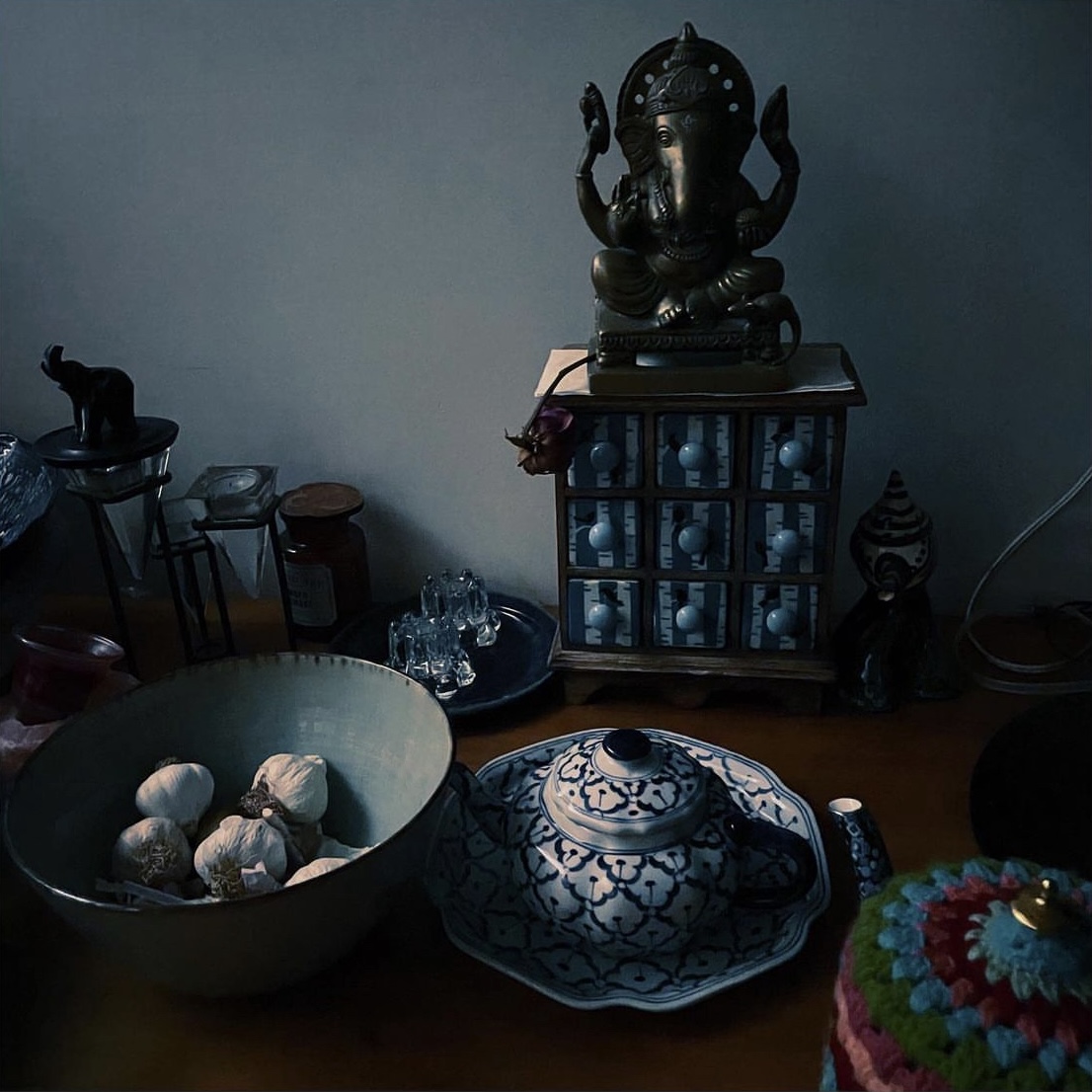

The image above (photograph of objects) was the reference used to make the image on the right.


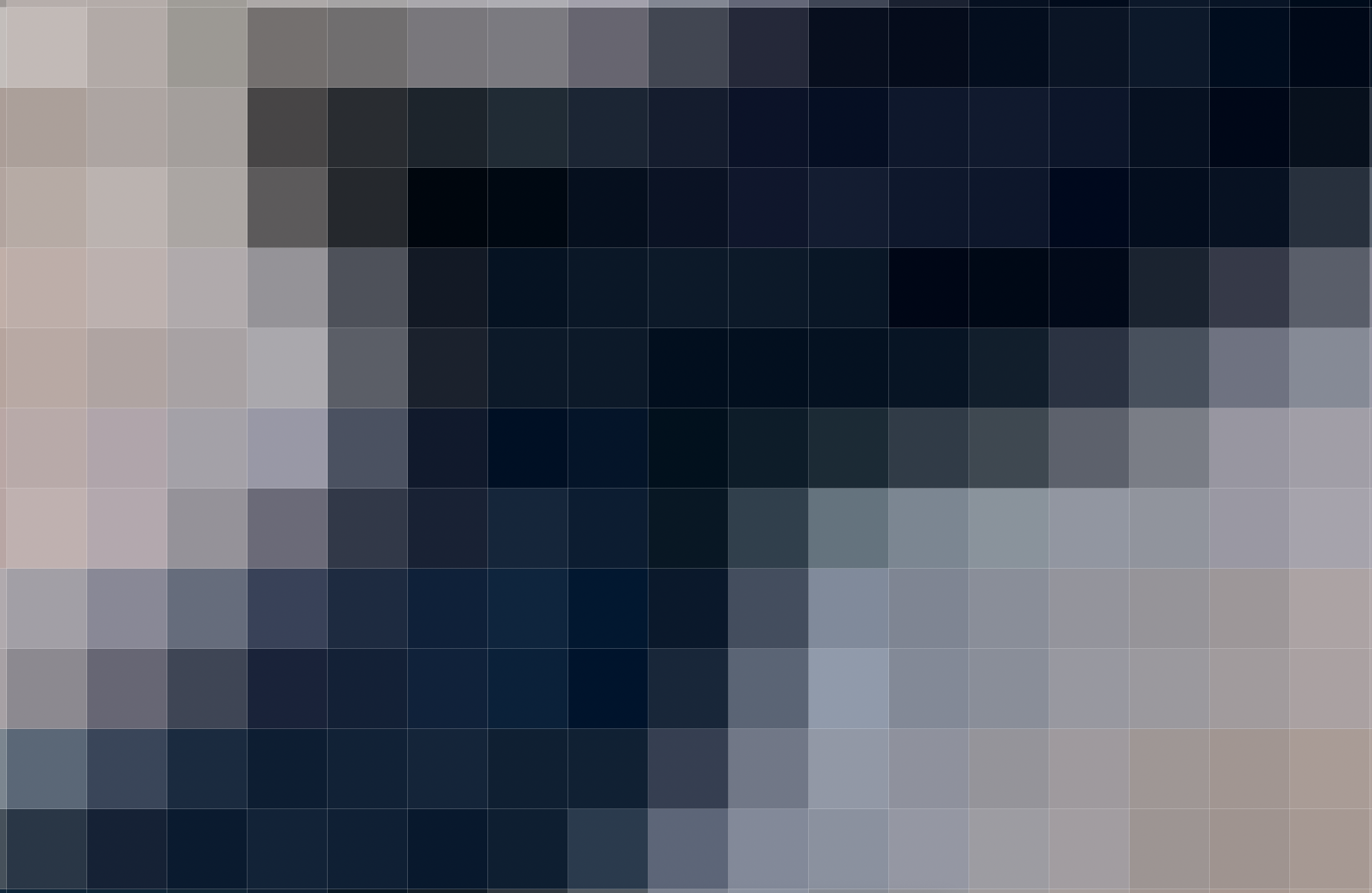
The above images show pixels from the original photograph (Fig 1) @12800 magnification. Each pixel has a co-ordinate and an HSL value. This information is written to storage and used to reconstruct the image when exported for printing or loaded for display. Digitally, ‘images’ only exist as data, which is converted to ‘tokens’ at the ‘bit’ level of the file data for use in LLM’s. For example, a 12mb file has 12 million bytes of data which in turn converts to 36 million bits ( 4 bits to the byte) So for a 12 mb image thats 36 million tokens that are generated when the file is ‘scraped’ for use in an LLM (Large Language Model). The job of the neural network (as I understand it) is to calculate the relationships between tokens within a very complex hierarchy of mathematical dimensions and re assemble / regenerate a pixel ‘grid’ ‘guided’ by the tokens generated in the prompt.


The above are pixel level crops from the generated image on the right. (Fig 2)
At the token level no image exists so it can’t be said that images are stolen or appropriated in any form because as previously mentioned in the digital realm, only the data used to reconstruct an ‘image; exists.
 Art + Photography + AI